|
Indoor & Office Plants Plant Care and Maintenance in Manhattan & throughout NYC
|
|
Starbright's NYC green plant maintenance program takes all the guesswork out of green plant
care. For those of you with a green thumb or willing to have a try, here's all the information you'll need. Indoor
plants and office plants are easier to care for than you might think. You don't need a green thumb to keep your plant
healthy and thriving - in fact, you don't need to do much at all. With just a little attention to appropriate lighting,
watering, and temperature, your plant will be a beautiful reminder of the person who gave it to you for many months to come.
Remember when you are caring for a plant in your home or office, to move it to a sink or water safe area. Water the plant
and allow excess water to run out the bottom of the pot into a sink, bucket or saucer. Prune leaves or blossoms that are past
their prime and do not allow dropped leaves or debris to collect on top of the soil inside the pot to decrease the chance
of pests or diseases. To make your plant shine, wipe the leaves with a soft, damp cloth and then return the plant to its pot
and then to its setting.
|
|
|
|
|
|
A healthy African violet will bloom for nine months and then
rest for three. Despite their delicate appearance, they are not difficult to care for. Keep their soil moist to dry and allow
it to dry out between watering to encourage blooming. Because water can damage their leaves, always water them from the bottom
by placing the container in a tray of water. Allow the plant to absorb the water for about 30 minutes.
Place your
African violet in moderate to bright, indirect light, and avoid exposing them to sudden temperature changes. Pinch off wilted
blossoms and leaves to encourage blooming, and fertilize monthly or when the plant is actively growing new leaves and buds. Back to top of page.
|
|
AGLAONEMA
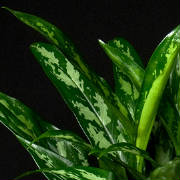
Aglaonema, also known as Chinese evergreen, are very tolerant plants that do well in a range
of environments. They prefer medium to low light in a warm room with slightly higher humidity, but they'll adapt to a spot
that's slightly dryer and brighter (they make nice plants for the bedroom or bathroom). Allow their soil to dry out a bit
between waterings (though, avoid letting it become bone dry), and gently clean off their leaves on a regular basis.
Back to top of page.
|
|
|
|
AMARYLLIS
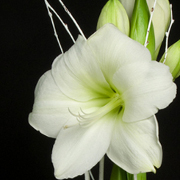
The amaryllis is native to warmer climates. The showy funnel-shaped blossoms stand atop a single stalk
stem. Occasionally the flowers' weight will require some support for the stem. A simple bamboo stake and raffia tie can support
the stem and be a decorative addition to the plant.
Some amaryllis are frequently given as a gift in bulb form. Place
your amaryllis in a bright, warm room at first, but when buds appear and begin to color, move it to a cooler spot to prolong
blooming time. Water it moderately, keeping the soil moist but not soggy, and avoid letting it sit in water.
Once it
stops flowering, continue to give your amaryllis four hours of full sunlight so allow the leaves to collect solar energy to
nourish the next year's blooms. Cut off the flowers once they fade, and cut down the stems to their base when they wither.
Be sure to water and care for it as long as it has leaves, then let the leaves wilt naturally (but don't remove them). Keep
the dormant bulb in its pot in a cool, dry place, and then replace the top inch or two of soil and start watering it when
it begins to sprout again. Back to top of page.
|
|
ARECA PALMS
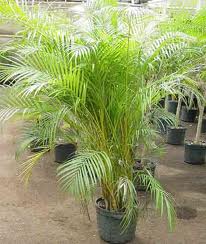
Areca palms are generally hardy plants and prefer medium to bright light. Keep their soil moist but not
soggy. If you allow the soil to become too dry, areca palms wilt dramatically, but it's easy to revive them with just a little
water (though some of their fronds may turn yellow). Trim back palm fronds that become damaged or turn brown. Back to top of page.
|
|
|
|
AZALEAS
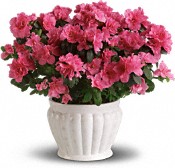
Azaleas prefer cool, well-lit spots (out of direct sunlight) with temperatures between 60-65 degrees Fahrenheit.
Check the soil frequently, and keep it moist but not soggy; never allow it to dry out completely.
Allow new growth
to develop, and regularly remove any dead flowers. When it's finished flowering, you can replant your azalea in a larger container
or move it outdoors, as long as there's no risk of frost. Some cultivated varieties of azaleas are designed for inside use
only. Others are "hardy" varieties that can be planted in the garden in warmer climates. Be sure to ask your florist
what type of azaleas they carry. Back to top of page. Click here to shop for Azalea Plants
|
|
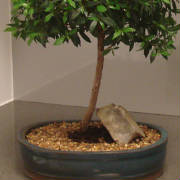
BONSAI
Display your bonsai in a spot that gets a good amount of bright, indirect light. Keep its soil moist to
dry, watering it every 2-3 days from the bottom by submerging its planter in water (just to the top of the soil) to allow
its roots to absorb water for about 15 minutes.
Pinch off or prune new growth (avoiding any flowering buds) to
help it maintain its shape, and "root prune" your bonsai once a year in late winter by gently taking it out of its
planter and trimming about a third of its roots. Fertilize it monthly when it is actively growing new buds or leaves.
|
|
|
|
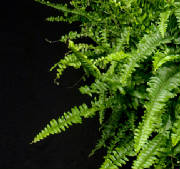
BOSTON FERN
Many cultivars of Boston fern are available some are compact forms, others are large spreading plants with
graceful fronds up to two feet in length. Ferns like bright diffused light and moist soil. Prune dead fronds from the plant
immediately and keep humidity near the plant high for best results. Back to top of page.
|
|
|
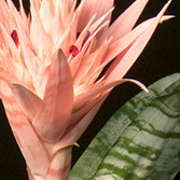
BROMELIADS
Native to Central and South America, bromeliads are a large family of plants - all with a similar rosette
of stiff leaves and some kind of bright central flower spike or colored leaf area. They're tough, easy-going plants, preferring
bright, indirect light or direct sun.
Keep their soil moist to dry, and pour the water in the center of the plant
where the leaves join together, allowing it to drain into the soil. Avoid letting the plant sit in water. If you live in a
hard water area, use rainwater or distilled water whenever possible, as bromeliads are very sensitive to salts, which may
cause their leaves to turn brown at the tips. Back to top of page.
|
|
|
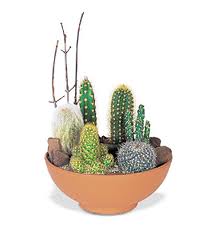
CACTI & SUCCULENT PLANTS
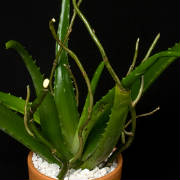
Hardy cacti and other succulent plants are accustomed to desert conditions and prefer bright, indirect
light or direct sun. Water them thoroughly and evenly, allowing them to dry out completely in between waterings. If the soil
becomes too hard and causes water to run off, place the pot in water just to cover the soil, and allow it to soak for about
30 minutes. Back to top of page.
|
|
|
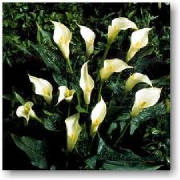
CALLA
Callas thrive in slightly cool, sunny spots, especially after their blooms open. Check their soil frequently
and keep it moist but not soggy.
These bulb-like plants grow from rhizomes, and when they're finished blooming, you can
plant them outdoors in mild climates. They need a winter rest period before reblooming, so allow them to dry out over the
winter. Back to top of page.
|
|
|
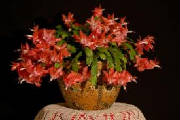
CHRISTMAS CACTUS
The Christmas cactus, with flowers ranging in color from yellow, salmon, pink, fuchsia and white (or combinations
of those colors), isn't just for the holidays - it can be grown indoors throughout the year.
While it adapts to
low light, it will produce more abundant blooms if you place it in a sunny spot. In the summer, you can move it outdoors,
but keep it in a shady or semi-shady location, since too much direct sunlight can burn the leaves. When it's time to bring
it back indoors in the fall, do so gradually to allow it to adjust. Since it relies on shortened daylight in the fall to induce
budding, help it along by placing it in a room that receives no additional evening light. Once buds begin to appear again,
bring it back into the living room or kitchen.
Despite its name, the Christmas cactus isn't a true cactus, and
it's not quite as drought tolerant as you might think, so water it thoroughly when the top half of the soil feels dry to the
touch. During the summer, keep it continually moist, and when fall arrives, water it only well enough to prevent wilting.
During the month of October, give it no water at all, and then cautiously resume watering in November, being careful not to
let the stems get full from over watering. Back to top of page.
|
|
|
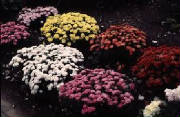
CHRYSANTHEMUMS
Chrysanthemums like bright light, place them near an open window to encourage their buds to open (but avoid
allowing them to be exposed to direct sunlight once in bloom, as that can burn their flowers). While they're in-bloom, water
them every two days or so - even at the risk of over watering, since wilting will shorten their life. When not in bloom, keep
their soil moderately moist, watering thoroughly only when the soil surface feels dry to the touch. Back to top of page.
|
|
|
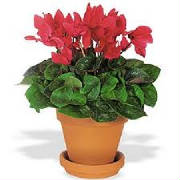
CYCLAMEN
Characterized by heart-shaped leaves and blossoms that fly over the leaves like miniature colorful birds,
cyclamen plants are sensitive to over watering and under watering. Keeping the soil moist (not wet) to the touch is the trick
to having them last long in a home or office setting. Allowing the plant to dry out will prevent unopened buds from opening
and maturing. Spent blossoms should be removed immediately to make space for new buds to open and unfurl. Cyclamens prefer
cooler temperatures 55 to 65 degrees F and diffused bright light. Back to top of page.
|
|
|
DAFFODILS (NARCISSUS)
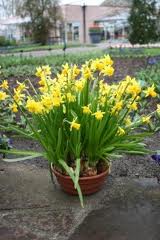
As trumpets of spring, pots of daffodils like moist soil and cool temperatures with high light sources.
Placing the plants in low light once they are blooming can cause "stem topple" where the stems that emerge from
the bulbs become askew instead of being parallel in the container. Using a series of bamboo stakes and some twine or raffia
- the stems and foliage can be corralled within the dimensions of the pot. Depending on their stage of openness, daffodils
can last from 5 to 12 days. Back to top of page.
Click here to shop for plants
|
|
|
DIEFFENBACHIA
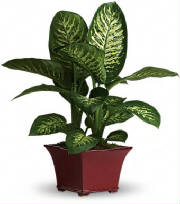
Dieffenbachias are popular plants because
they thrive so well indoors and handle a wide range of light conditions, though they do best when you place them in bright,
indirect light. In the winter, make sure they receive more light.
Water your dieffenbachia thoroughly, allowing the
top 1-2 inches of soil to dry out in between watering. Allowing the plant to become bone dry will cause it to wilt.
|
|
|
EASTER LILY
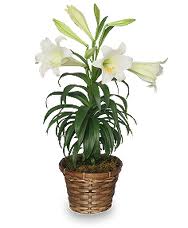
Easter lilies prefer moist soil and diffused light. As the blossoms open, you may want to remove the yellow
anthers with a tissue to prevent the white blossom from discoloring and the pollen from damaging clothing or home surfaces.
As flowers pass their prime, they can be removed to keep the plant looking healthy and to make room for new buds to open.
Back to top of page.
|
|
|
FICUS
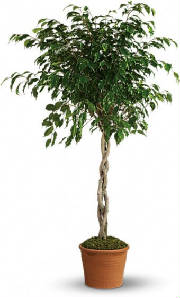
While your ficus plant is adjusting to its new home, it may drop a
noticeable amount of leaves. This is normal, and with proper care, it will begin to thrive again in no time. Just pick up
the fallen leaves, remove the yellow ones still on the plant, and cut off dead and dry twigs. This will help the light penetrate
to the inside foliage and promote new growth.
Be careful not to over water your ficus. Feel the soil with your
finger tip, and if it feels dry to the touch one inch below the surface, it's time to water it – but if the soil feels
moist, hold off for a day or two. Keep in mind that your ficus will need less water during the winter. When your ficus is
new, mist it daily as well. To provide proper humidity and prevent the roots from standing in water, place the planter on
a plant tray or saucer filled with gravel.
Display your ficus in a bright spot with indirect light, away from
drafts and large windows that change temperature throughout the day. Use plant fertilizer monthly throughout the growing season,
but not during the winter months. Back to top of page.
|
|
|
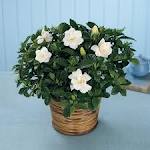
GARDENIA
Kept indoors, gardenia plants like well-ventilated spots that get at least
five hours of sunlight a day, but if you move your plant outdoors in the summer, be sure to keep it in a shady area. To keep
its soil moist but not soggy, soak it thoroughly until you see water running out of the drainage holes, but don't allow the
container to stand in water. Back to top of page. Click here to shop for plants
|
|
|
HYACINTH
Hyacinths thrive in bright locations, and do best when their soil is kept
moist but not soggy. Water yours thoroughly and then place it in a sink (or outside if the weather is mild) to allow the water
to drain completely. The stems of these bulb flowers can be supported with decorative bamboo stakes and raffia ties to prevent
the weight of the flower from causing the stems to topple in the pots.
When your hyacinth is finished blooming,
you can replant the “forced” bulbs in your garden in the fall. They will take a few years to fully recycle and
bloom abundantly. Back to top of page.
|
|
|
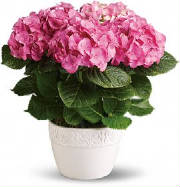
HYDRANGEA
Place your hydrangea in a sunny, bright spot that receives indirect light,
and keep its soil moist by watering it thoroughly and allowing excess water to drain. In the fall, allow it to rest and lose
its leaves by placing it in a cool, dark location (a basement or cellar) without water. In January, bring it out again to
a spot with plenty of light, and it should bloom in time for spring. Back to top of page.
|
|
|
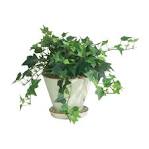
IVY
Although ivy can survive in a range of temperatures, it's more vulnerable
in the winter with dry air from heating. To make sure it gets enough moisture, set the planter on a tray or saucer filled
with pebbles and water.
Display your ivy in a bright spot with indirect sunlight. In the summer, you can move
it outdoors to a protected area, but make sure it's out of direct sunlight.Back to top of page.
|
|
|
KALANCHOE
Known for their bright small flowers in abundant clusters atop waxy leaves,
kalanchoe plants are among the longest lasting blooming plants you can have in your home or office. Keep the soil moist, but
not overly saturated. Do not allow the pot to sit in a pool of water. Pinch off blooms as they pass their prime. These plants
could last 3 to 4 weeks depending on the room's temperature. Sensitive to cold temperatures, storage below 40 degrees F could
cause foliage to become soft and damaged.Back to top of page. Back to top of page.
|
|
|
Money Tree Light watering once
a week. Feel the soil, if it is dry, time to water. Do not spray mist. Indirect sunlight for 4 hours a day is sufficient.
Typical indoor temperatures (60 to 85 degrees Fahrenheit). Remove any damaged or dead leaves regularly to promote new
and healthy growth. A dose of fertilizer now on occasion is beneficial. Be careful not to over fertilize. It's
time to repot the tree into a larger pot. Make sure there are adequate drainage holes. Back to top of page. Shop for Money Tree Here
|
|
|
ORCHID PLANTS
Despite their elegant, graceful appearance, orchids aren't difficult to
care for, and by following a few simple guidelines, many varieties will bloom for you again next year.
Keep your
orchid in a well-ventilated spot with partial shade, away from radiators, air conditioning, and strong drafts. To help maintain
the right level of humidity, set the planter in a tray of pebbles and water so that the pot sits out of the water. If planted
in a container that doesn't allow for drainage, a quick and easy watering trick is to give your plant a handful of ice cubes
a week. This slow watering process allows the plant to absorb the necessary moisture while preventing the roots
from rotting.
Orchids gain their water from the relative humidity in the atmosphere, they do not absorb water in
a traditional way from the roots and soil. For stability, orchids are often potted with the roots in a growing media that
should not be overly wet. Orchids require a period of dormancy during the winter in order to bloom again in the spring, so
allow it to rest in a sunny spot, and don't water it at all during this time. When its blooms are gone, cut the spike an inch
above the foliage, leaving the old canes in place. Back to top of page. Shop for Orchid Plants Here
|
|
|
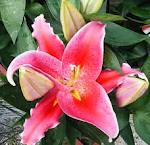
ORIENTAL LILY
Display your Oriental Lily in well-ventilated spot with bright, indirect
sunlight, taking care to keep it away from air conditioners, heaters, and strong drafts. While in bloom, water it whenever
the soil feels dry to the touch, and feed it with a water-soluble fertilizer. When it's done blooming, you can replant it
outdoors in mild climates. Since pollen can stain clothing and furniture, carefully remove the anthers (the orange coated
tips at the end of the stamens) with a tissue. Back to top of page.
|
|
|
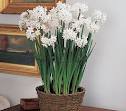
PAPER WHITES
Your fragrant, pre-sprouted paperwhite narcissus will bloom within about
2-3 weeks if kept in bright, diffused light. Water them thoroughly when the soil is dry to the touch, but don't allow the
plant to stand in water. Cool-weather plants at heart, your paperwhites will bloom longer if kept away from heat. Back to top of page. Click here to shop for plants
|
|
|
POINSETTIA
Even though we associate poinsettias with the mid-winter holidays, they're
actually a tropical plant and need to be kept away from drafts and cold. Too chilly temperatures can cause their colorful
leaves (called bracts) to drop.
Keep the soil of your poinsettia moist and allow it to dry out only slightly in
between waterings. Encourage new blooms by pinching off spent blossoms and adding plant fertilizer when it's actively growing
new buds or leaves. Poinsettias can also be cut from the plant and used as cut flowers. When you cut a stem, a milky-white
sap flows from the cut end. Place the stem in water immediately to allow it to hydrate before mixing it with other flowers.Back
to top of page. Back to top of page.
|
|
|
PHILODENDRON
Native to the jungles of tropical
America, your philodendron prefers medium, indirect light and it will do best in a bright spot with indirect sunlight. (If
its new leaves develop smaller and farther apart, it's a sign that it's receiving too little light.) Many types exist including
large split-leaf varieties, and the distinctive ruffled-edge philodendron xanadu. Keep its soil evenly moist, but allow it
to dry out in between waterings. In the winter months, when growth slows, keep it slightly drier. Over watering will cause
the leaves to turn yellow, while under watering will cause them to turn brown and fall off.
Philodendrons tolerate the
natural levels of humidity found in most homes, but because of their tropical origin, they respond particularly well to high
humidity, so mist them regularly to promote lush growth and shiny foliage. Dust their leaves with a damp cloth and feed them
houseplant fertilizer in the spring and mid summer. Back to top of page.
|
|
|
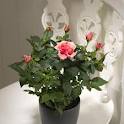
ROSE
Kept indoors, rose plants will do well in bright, indirect light. Keep their
soil moist, allowing it to dry out a bit in between waterings. Remove any leaves that have yellowed while indoors, and pinch
off spent blossoms to encourage new blooms. Back to top of page.
|
|
|
SCHEFFLERA ARBORICOLA
Your new schefflera plant may thin out a bit and loose some leaves as it
adjusts to its new home. This is normal, and with proper care, it will begin to thrive again in no time. Although it adapts
to a wide variety of light levels, the schefflera arboricola prefers medium to higher light, which keeps it full and more
compact. If your plant does stretch out, don't be afraid to prune it – it can handle even an occasionally radical pruning
and come back strong.
Scheffleras don't like to sit in water, but do best when their soil is kept moist. If its
leaves begin to turn black and drop off, it's a sign that the soil has stayed too moist. On the other hand, if you notice
that the tips of the plant begin to wrinkle, you've allowed it to get too dry. Wipe its leaves-both the tops and undersides-with
a damp cloth to remove dust and prevent spider mites.
|
|
|
SPATHIPYLLUM
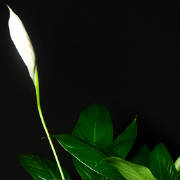
With dark green leaves that can be more than a foot long, the spathiphyllum
plant produces hood-shaped white blooms, and in some cases, can grow up to 4 feet tall (although many varieties are developed
to be compact).
These plants can wilt easily, so it's important to keep the soil moist, providing good drainage
and emptying excess water from trays or saucers to prevent their roots from rotting. Display them in a spot with bright, indirect
light. Low light slows their blooming cycle, and too much direct sunlight may cause burn spots on their leaves. Wipe their
leaves with a damp cloth to remove dust.
|
|
|